
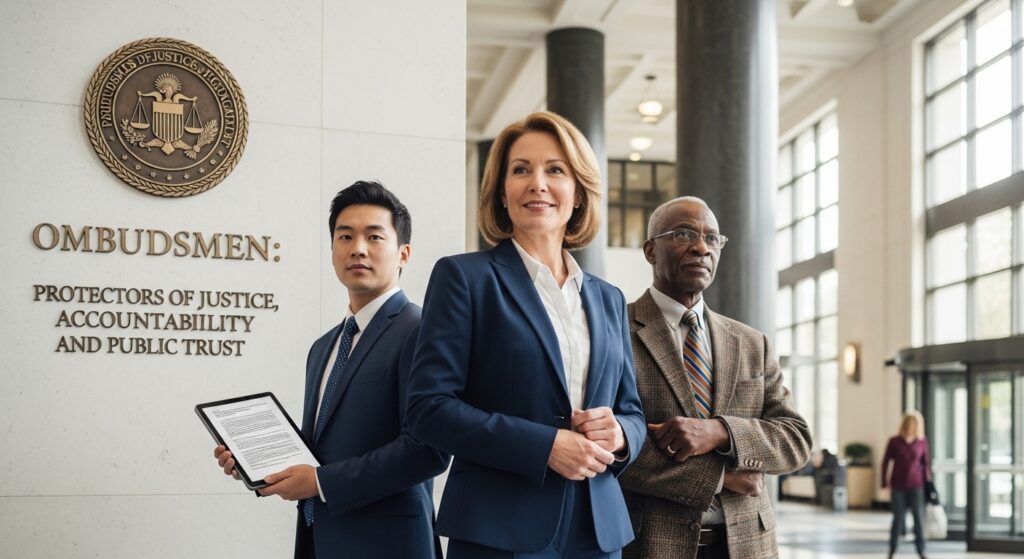
In democratic societies, fairness and transparency are not optional—they are fundamental principles that sustain public trust. When citizens feel wronged by government agencies or public institutions, they need an accessible and impartial mechanism to address their concerns. This is where ombudsmänner play a vital role. Acting as independent investigators and mediators, ombudsmänner safeguard citizens’ rights and promote ethical administration.
Over time, the institution of ombudsmänner has expanded beyond government oversight, becoming a cornerstone of accountability in both public and private sectors worldwide.
The Historical Origins of Ombudsmänner
The concept of the ombudsman originated in Scandinavia. In 1809, Sweden established one of the earliest formal ombudsman offices to oversee public officials and ensure lawful governance. The Swedish office, known as Justitieombudsmannen, remains one of the most influential models globally.
The idea was simple yet powerful: create an independent authority responsible for investigating complaints against the government. This innovation strengthened democratic institutions by providing citizens with a non-judicial avenue for redress.
From Sweden, the model spread across Europe and eventually worldwide, shaping modern systems of administrative accountability.
The Core Function of Ombudsmänner
Ombudsmänner serve as neutral and independent officials who investigate complaints regarding maladministration, unfair treatment, or abuse of power. Their responsibilities typically include:
Investigating citizen complaints
Reviewing administrative decisions
Recommending corrective measures
Promoting transparency
Identifying systemic issues
Unlike courts, ombudsmänner generally do not issue legally binding judgments. Instead, they rely on thorough investigation, public reporting, and moral authority to encourage institutions to implement reforms.
Independence and Impartiality
The credibility of ombudsmänner depends on their independence from political influence. To maintain public confidence, they must operate free from interference.
For example, the European Ombudsman monitors the institutions of the European Union, ensuring compliance with principles of good administration. This office functions independently of political leadership, reinforcing accountability within EU governance.
Similarly, the Parliamentary and Health Service Ombudsman investigates complaints related to UK government departments and healthcare services.
Such independence ensures fairness and protects the integrity of the investigative process.
Ombudsmänner and Human Rights
In many countries, ombudsmänner also serve as defenders of fundamental human rights. Their investigations often address issues such as discrimination, unequal treatment, or procedural injustice.
International organizations like the United Nations encourage the establishment of independent oversight bodies to protect civil liberties and strengthen democratic institutions.
By offering accessible complaint mechanisms, ombudsmänner empower individuals who may lack the resources to pursue legal action in court.
Expanding Roles Beyond Government
While originally focused on public administration, the role of ombudsmänner has expanded into private sectors. Universities, corporations, financial institutions, and non-governmental organizations often appoint ombuds officers to manage internal disputes.
Financial ombuds services help resolve conflicts between consumers and banks, offering mediation without costly litigation. In academic institutions, ombudspersons assist students and staff in addressing grievances confidentially and fairly.
This expansion reflects the growing recognition that accountability is essential across all sectors of society.
The Complaint Process
The process of engaging with ombudsmänner is typically straightforward. Individuals submit written complaints outlining their concerns. The office then evaluates whether the issue falls within its jurisdiction.
If accepted, investigators gather relevant documents, conduct interviews, and analyze evidence. Upon completing the investigation, the ombudsman issues findings and recommendations.
Many offices publish annual reports highlighting trends and systemic weaknesses. These reports contribute to institutional reforms and policy improvements.
Challenges Facing Ombudsmänner
Despite their importance, ombudsmänner face several challenges:
Limited enforcement powers
Resource constraints
Political pressure
Increasingly complex administrative systems
In some cases, recommendations may not be legally binding. Their effectiveness often depends on institutional cooperation and public awareness.
Nevertheless, public trust and transparency remain powerful tools. When ombudsmänner identify serious issues, media attention and civic engagement often prompt corrective action.
Digital Governance and Modern Oversight
As governments adopt digital services, new challenges arise. Issues such as data privacy, cybersecurity, and algorithmic decision-making require updated oversight mechanisms.
Ombudsmänner must develop expertise in technology-related complaints to address concerns about automated systems and digital rights. Collaboration with data protection authorities and regulatory agencies strengthens accountability frameworks in the digital age.
The evolution of governance demands equally adaptive oversight institutions.
The Global Impact of Ombudsmänner
Today, more than 100 countries have established ombuds institutions. International networks facilitate cooperation and exchange of best practices among these offices.
The global adoption of ombudsmänner demonstrates their value as democratic safeguards. By promoting fairness and transparency, they reinforce the rule of law and enhance public trust in institutions.
In many regions, the presence of a strong ombuds office signals a commitment to good governance and responsible leadership.
Public Awareness and Accessibility
For ombudsmänner to fulfill their mission effectively, citizens must know their rights and understand how to file complaints. Clear communication, multilingual resources, and user-friendly procedures are essential.
Accessibility ensures that vulnerable populations—such as the elderly, migrants, or marginalized communities—can seek assistance without fear or difficulty.
Education campaigns and outreach programs help strengthen the relationship between oversight institutions and the communities they serve.
Conclusion
Ombudsmänner stand as pillars of fairness and accountability in modern governance. From their origins in Sweden to their widespread global presence today, they provide citizens with an independent voice against administrative injustice.
Through impartial investigation, transparent reporting, and ethical oversight, ombudsmänner protect individual rights and promote institutional integrity. While challenges persist, their role remains indispensable in upholding democratic values.
In a world where trust in institutions is increasingly tested, ombudsmänner continue to serve as guardians of justice—ensuring that power is exercised responsibly and that citizens are heard with dignity and respect.