
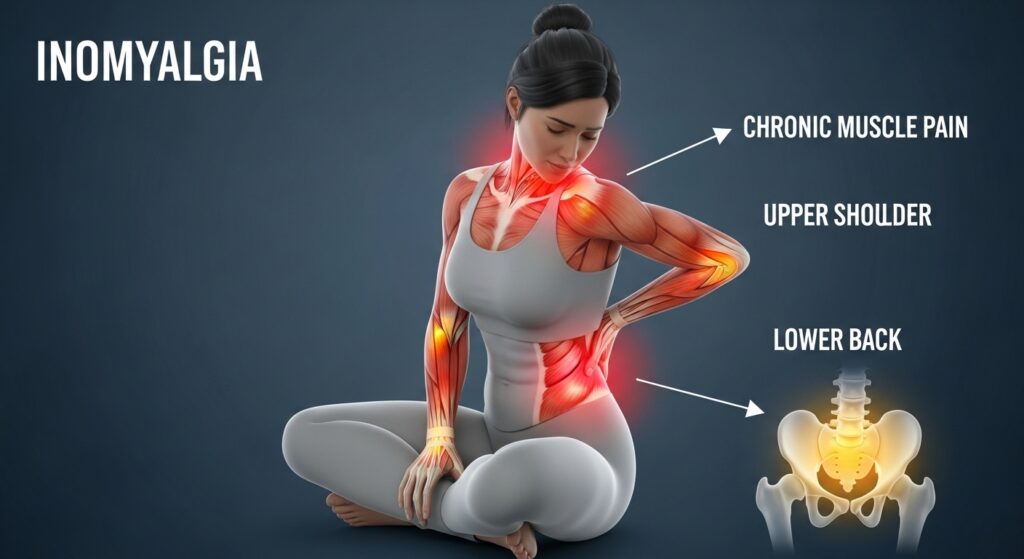
Inomyalgia is a medical term used to describe muscle pain that can range from mild discomfort to severe, persistent pain affecting daily activities. This condition is often associated with underlying health issues, overuse injuries, or chronic inflammatory processes. Understanding inomyalgia is essential for identifying causes, exploring treatment options, and improving quality of life.
Muscle pain is a common symptom experienced by people of all ages, but when it becomes chronic or widespread, it may indicate inomyalgia. Early recognition and proper management can help reduce pain, prevent further complications, and restore mobility.
What Is Inomyalgia
Inomyalgia refers specifically to pain originating from the muscles, distinct from joint, nerve, or bone pain. The term encompasses a range of conditions where the primary symptom is muscle discomfort or tenderness. Symptoms may be localized to a specific muscle group or generalized across multiple areas of the body.
The severity of inomyalgia can vary. Some individuals experience a dull, aching sensation, while others report sharp or stabbing pain. Muscle stiffness, tenderness to touch, and fatigue are also common features.
Causes of Inomyalgia
There are several potential causes of inomyalgia, including:
-
Overuse or Strain: Repetitive activities, heavy lifting, or intense exercise can strain muscles, leading to localized pain.
-
Inflammatory Conditions: Autoimmune diseases such as polymyositis or myositis can cause chronic muscle inflammation and discomfort.
-
Infections: Certain viral or bacterial infections may trigger temporary or persistent muscle pain.
-
Metabolic Disorders: Conditions affecting metabolism, such as hypothyroidism, can contribute to muscle fatigue and soreness.
-
Medications: Some drugs, including statins, may cause muscle-related side effects.
-
Stress and Tension: Emotional stress and prolonged tension can manifest physically as muscle discomfort.
Identifying the underlying cause is critical for effective treatment and symptom management.
Symptoms Associated with Inomyalgia
Inomyalgia may present with a variety of symptoms, often influenced by the underlying cause:
-
Persistent muscle aches or stiffness
-
Tenderness or soreness to touch
-
Fatigue or weakness in affected muscles
-
Difficulty performing routine movements
-
Pain that worsens with activity or improves with rest
The distribution of pain may help healthcare providers determine the root cause, whether it is localized, symmetrical, or generalized.
Diagnosis of Inomyalgia
Diagnosing inomyalgia typically involves a combination of patient history, physical examination, and diagnostic tests. Healthcare providers may consider:
-
Detailed symptom history and onset
-
Muscle strength and range-of-motion assessment
-
Blood tests to detect inflammation, infection, or metabolic abnormalities
-
Imaging studies, such as MRI or ultrasound, to evaluate muscle tissue
-
Electromyography (EMG) for nerve and muscle function analysis
Accurate diagnosis is essential to differentiate inomyalgia from other conditions such as fibromyalgia, arthritis, or neuropathic pain.
Treatment Options
Management of inomyalgia often requires a multifaceted approach, depending on the cause and severity of symptoms.
Lifestyle and Physical Therapy
-
Gentle stretching and low-impact exercises help maintain flexibility and reduce stiffness.
-
Physical therapy may include targeted muscle strengthening and posture correction.
-
Heat or cold therapy can alleviate localized discomfort.
Medications
-
Over-the-counter pain relievers, such as acetaminophen or ibuprofen, may help manage mild pain.
-
Prescription medications, including muscle relaxants or anti-inflammatory drugs, may be recommended for chronic or severe cases.
Stress Management
-
Techniques such as yoga, meditation, or deep-breathing exercises can reduce tension-related muscle pain.
-
Adequate sleep and proper ergonomics also contribute to symptom relief.
Addressing Underlying Conditions
-
Treating infections, metabolic disorders, or autoimmune conditions may significantly reduce muscle pain.
-
Adjusting medications or dosages under medical supervision can prevent drug-induced inomyalgia.
Preventing Muscle Pain
While not all causes of inomyalgia are preventable, certain measures can reduce the risk of developing chronic muscle pain:
-
Gradually increasing physical activity intensity to avoid overuse
-
Maintaining good posture during work and daily activities
-
Incorporating regular stretching and strengthening exercises
-
Staying hydrated and maintaining a balanced diet rich in vitamins and minerals
-
Managing stress effectively to prevent tension-related discomfort
Preventive care supports long-term muscle health and overall well-being.
When to See a Doctor
Medical evaluation is recommended if muscle pain is:
-
Persistent or worsening over time
-
Accompanied by swelling, redness, or warmth
-
Associated with fever, unexplained weight loss, or weakness
-
Interfering with daily activities
Early intervention can help identify serious underlying conditions and prevent long-term complications.
Living with Inomyalgia
Chronic muscle pain can affect quality of life, limiting mobility and daily functioning. Developing a personalized management plan with healthcare providers, including lifestyle adjustments, therapeutic exercises, and stress reduction techniques, can help individuals live comfortably with inomyalgia. Support networks, patient education, and regular follow-ups also contribute to better outcomes.
Conclusion
Inomyalgia is a condition characterized by muscle pain that may result from a variety of causes, including overuse, inflammation, infections, and stress. Recognizing the symptoms, understanding the underlying factors, and implementing a comprehensive treatment plan are key to managing discomfort and improving quality of life.
Through a combination of medical intervention, physical therapy, lifestyle adjustments, and preventive care, individuals with inomyalgia can reduce pain, maintain mobility, and enjoy daily activities. Awareness and proactive management are essential for long-term relief and improved muscle health.