
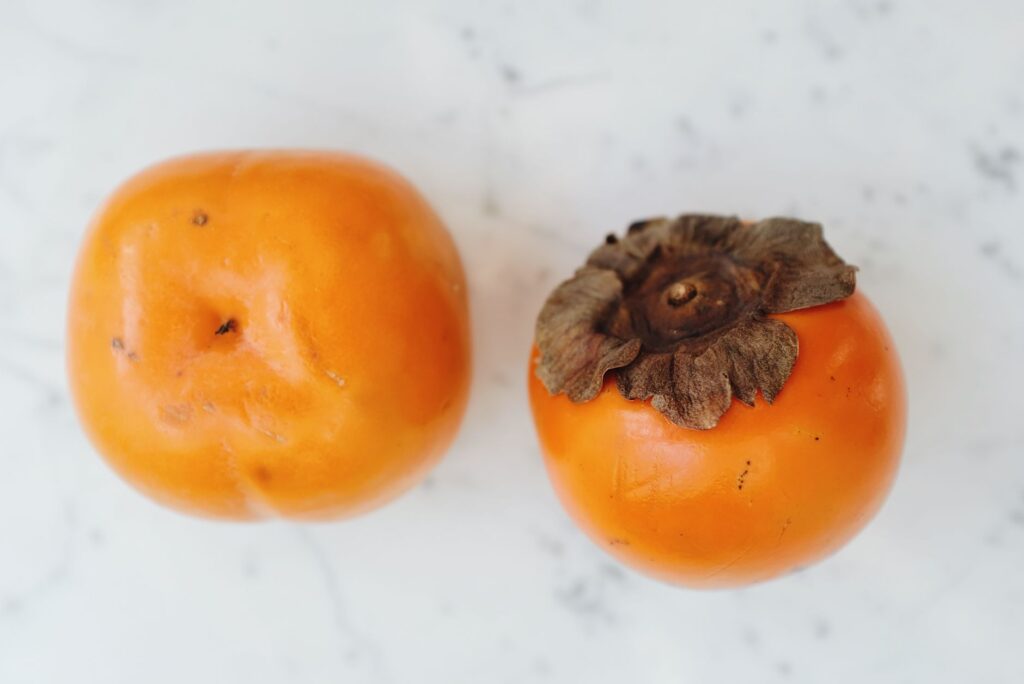
Wondering if that vibrant orange skin on your persimmon is a hidden nutritional powerhouse or something to toss? You should eat persimmon skin because it’s packed with fiber and antioxidants, but it’s essential to know how to prepare it and which varieties are best for eating whole. The latest research from 2026 continues to highlight the benefits of consuming whole fruits, including their skins.
Persimmons are fascinating fruits, often appearing in late autumn and winter, their presence heralding cooler weather. But when it comes to consuming them, a common question arises: can you eat the skin? For many fruits, the answer is a resounding yes, offering increased fiber and nutrients. Persimmons are no different, with a few important considerations.
This article will guide you through the ins and outs of eating persimmon skin, from its nutritional advantages to potential pitfalls, ensuring you can enjoy this unique fruit with confidence. We’ll cover common mistakes people make and how to avoid them, so you get the most out of every bite, incorporating insights from recent health and nutrition reports.
Latest Update (June 2026)
As of June 2026, health and wellness publications continue to emphasize the value of consuming fruits and vegetables in their entirety to maximize nutrient intake. According to Verywell Health’s recent report, ‘What Happens to Your Body When You Eat Persimmons Regularly,’ incorporating persimmons into your diet, including their skins when appropriate, can contribute to better digestive health due to their high fiber content. Runner’s World also highlighted in February 2026 how nutrient-dense foods, like persimmons, can support athletic recovery, further underscoring the benefits of consuming these fruits whole. These developments reinforce the idea that the skin is a valuable part of the persimmon.
Is Persimmon Skin Actually Edible?
Yes, the skin of most persimmon varieties is edible. Unlike some fruits where the skin is tough, bitter, or difficult to digest, persimmon skin is generally thin and palatable, especially when the fruit is ripe. The key is ripeness, as unripe persimmon skin can be quite astringent and unpleasant. The experience is similar to eating an apple or pear; the skin adds to the overall nutrient profile. However, the texture and taste can vary. Some people prefer to peel them, while others enjoy the skin for its contribution to the fruit’s texture and nutritional value. The primary concern with the skin isn’t toxicity, but rather the experience of eating it, particularly regarding astringency.
The Nutritional Perks of Eating Persimmon Skin
Eating persimmon skin can significantly boost your intake of essential nutrients. The skin is a concentrated source of dietary fiber, which is crucial for digestive health, helping to regulate bowel movements and promote a feeling of fullness. As highlighted by various health authorities in 2026, adequate fiber intake is linked to a reduced risk of heart disease and type 2 diabetes. This can be particularly helpful for those looking to manage their weight or improve gut health.
Beyond fiber, persimmon skin contains valuable antioxidants, including carotenoids and flavonoids. These compounds help combat oxidative stress in the body, potentially reducing the risk of chronic diseases. The skin also contributes vitamins like Vitamin A and Vitamin C, though the quantities are higher in the flesh. For instance, a medium persimmon (about 200 grams) can provide a significant portion of your daily Vitamin A needs, with a portion of that coming from the skin, according to USDA data.
By consuming the skin, you’re getting more nutritional value. This aligns with the growing trend in nutrition that encourages eating whole foods, including the peels and skins where many nutrients reside. It’s a simple way to maximize the health benefits of the fruit.
Common Mistakes When Eating Persimmon Skin (and How to Fix Them)
One of the biggest mistakes people make is trying to eat the skin of an unripe persimmon. This leads to an intensely bitter and astringent experience that can make your mouth pucker and feel dry. This astringency is caused by tannins, which are more concentrated in unripe fruit and can be present in the skin.
Mistake 1: Eating Unripe Persimmons. The fix? Ensure your persimmon is fully ripe. For varieties like Hachiya, this means very soft, almost jelly-like. For Fuyu, it should feel heavy for its size and have a slight give, but not be mushy. If it still puckers your mouth, it’s not ready. Experts recommend waiting until the fruit yields gently to pressure.
Mistake 2: Not Washing the Skin Thoroughly. Like any fruit, persimmons are often treated with pesticides or waxes. Failing to wash the skin properly means you could be ingesting these residues. The fix is simple: always wash your persimmons under cool running water, gently scrubbing with a soft brush or your hands before eating. As Better Homes & Gardens recently advised in October 2025, proper washing is key to enjoying produce safely.
Mistake 3: Assuming All Persimmon Skins Are Equal. While most are edible, the texture and flavor can vary. Some might find Fuyu skin slightly tougher than Hachiya when perfectly ripe. The fix is to experiment with different varieties and see what you prefer. You can always peel a variety if you find the skin’s texture unappealing. As marthastewart.com noted in September 2025, exploring different persimmon recipes can also help you appreciate the fruit in various forms.
Which Persimmon Varieties Are Best Eaten With Skin?
When deciding whether to eat persimmon skin, the variety of persimmon plays a significant role. The two most common types in many Western markets are Fuyu and Hachiya, and they have different characteristics.
Fuyu Persimmons
These are the most popular choice for eating with the skin on. Fuyu persimmons are non-astringent and have a firm, crisp texture even when ripe, similar to an apple. Their skin is thin and mild in flavor, making it perfectly suitable for consumption. They are often eaten raw, sliced like an apple, with the skin intact. Their shape is typically squat and blocky.
Hachiya Persimmons
These are astringent persimmons. They are typically eaten when very soft and jelly-like, and in this state, the skin is generally edible and palatable. However, many people prefer to scoop out the flesh to avoid the skin’s texture, which can become slightly more noticeable as the fruit softens. It’s crucial that Hachiya persimmons are extremely ripe to avoid extreme astringency. Their shape is typically acorn-like.
Other Varieties
While Fuyu and Hachiya are most common, other varieties exist. For instance, the ‘Chocolate’ persimmon, a type of American persimmon, develops a sweet, pudding-like flesh with brown streaks when ripe. The skin is edible but can sometimes be a bit tougher. American persimmons, in general, can be more astringent and often require full ripeness or processing.
How to Prepare Persimmon Skin for Eating
Preparing persimmon skin for consumption is straightforward, but requires attention to detail, especially regarding ripeness and cleanliness.
Washing is Key
As mentioned, thorough washing is paramount. Use cool running water and gently rub the skin with your hands or a soft vegetable brush. This removes any dirt, potential pesticide residues, or wax coatings. For an extra layer of assurance, you can use a produce wash, though simple soap and water followed by thorough rinsing is often sufficient.
Checking for Ripeness
This is the most critical step for ensuring a pleasant eating experience. Fuyu persimmons should be firm but yield slightly to gentle pressure, and their color should be a deep orange. Hachiya persimmons should feel very soft and somewhat ‘wobbly’ when ripe; they should almost feel like they might burst. If a Hachiya is firm, it’s not ready, and eating its skin (or flesh) will be an unpleasant, puckering experience.
Eating Raw
For Fuyu persimmons, simply wash, remove the leafy top, and slice. You can eat them as is, skin and all. They make a great addition to salads, yogurt, or can be enjoyed as a healthy snack. For Hachiya, once fully ripe, the skin is edible, but the primary method of consumption is often by scooping out the soft flesh with a spoon.
Cooking with the Skin
If you’re cooking with persimmons, especially Fuyu varieties, you can often leave the skin on. It softens considerably during cooking. It can be diced and added to baked goods like muffins or bread, or simmered into compotes and sauces. The skin will contribute to the overall fiber content of the dish. As Southern Living noted in October 2025, persimmons are a versatile fruit that can be incorporated into many dishes, and utilizing the whole fruit makes them even more so.
Potential Downsides and Who Should Be Cautious
While persimmon skin offers nutritional benefits, there are a few considerations and potential downsides:
Astringency
The most common issue is astringency from tannins, primarily in unripe fruit. This can cause a dry, puckering sensation in the mouth. Always ensure your persimmons, especially non-Fuyu varieties, are fully ripe before consuming the skin. If you are particularly sensitive to tannins, you might prefer to peel even ripe Hachiya persimmons.
Digestive Upset
For individuals with sensitive digestive systems, the high fiber content in the skin might initially cause discomfort, such as bloating or gas. It’s advisable to introduce high-fiber foods gradually. If you experience persistent digestive issues, consult a healthcare professional.
Pesticide Residues
Even after washing, some people remain concerned about pesticide residues, particularly if the fruit is not organically grown. If this is a concern, opting for organic persimmons or peeling the fruit are the safest routes. According to recent consumer reports in 2026, organic produce often has lower detectable levels of pesticide residues.
Choking Hazard (Rare)
In extremely rare cases, large, undigested pieces of fruit skin could potentially pose a choking hazard, especially for young children or individuals with swallowing difficulties. Ensuring the fruit is well-ripened and, if necessary, cutting it into small, manageable pieces can mitigate this risk.
Frequently Asked Questions
Can I eat the skin of a Fuyu persimmon?
Yes, Fuyu persimmon skin is edible and often enjoyed for its mild flavor and crisp texture when the fruit is ripe. Ensure it is thoroughly washed before consumption.
What if a persimmon is still slightly astringent after washing?
If a persimmon, especially a Hachiya, is still slightly astringent, it means it’s not fully ripe. The astringency is due to tannins. It’s best to wait until it’s very soft and jelly-like. You can also try remedies like placing it in a paper bag with a banana or apple to speed up ripening, or if it’s only slightly astringent, you can try the steam/blanching method mentioned in the Expert Tip.
Are persimmon seeds edible?
Persimmon seeds are technically edible, but they are quite hard and not typically consumed. Most modern persimmon varieties are seedless or have very small seeds. If you do encounter seeds, it’s generally recommended to remove and discard them.
How long do persimmons last?
Fuyu persimmons, when ripe and firm, can last for about a week to 10 days in the refrigerator. Unripe Fuyus can be kept at room temperature to ripen. Hachiya persimmons, once ripe and soft, should be consumed within 2-3 days, or stored in the refrigerator for a few extra days, though their texture may change.
What are the main health benefits of eating persimmons?
Persimmons are a good source of Vitamin C, Vitamin A, manganese, and dietary fiber. Their antioxidant content, including beta-carotene and lutein, helps protect against cell damage. They can support immune function, promote eye health, and aid digestion, according to ongoing nutritional research in 2026.
Enjoying Your Persimmons Safely and Deliciously
Eating persimmon skin is a perfectly safe and nutritionally rewarding practice, provided you choose the right variety and ensure the fruit is ripe and clean. Fuyu persimmons are your best bet for enjoying the skin raw due to their non-astringent nature and crisp texture.
Remember to always wash your fruit thoroughly and check for ripeness. For Hachiya and other astringent varieties, wait until they are exceptionally soft. By following these guidelines, you can maximize the health benefits and flavor of this delightful autumn and winter fruit.
Conclusion
In conclusion, the question of whether to eat persimmon skin is largely answered with a ‘yes,’ with the significant caveat of ripeness and variety. The skin is a valuable source of fiber and antioxidants, contributing to the overall health profile of the fruit. By understanding the differences between varieties like Fuyu and Hachiya, and by ensuring proper preparation—primarily thorough washing and confirming ripeness—consumers can confidently enjoy the entirety of this nutritious fruit. As nutritional science continues to advocate for whole-food consumption, embracing the edible skin of ripe persimmons aligns perfectly with a health-conscious diet in 2026.